Göktuğ CANBABA
Uncanniness is often defined not as an encounter with the unknown, but as the experience of the familiar becoming strange. Is what unsettles us the unknown, or the moment when we can no longer recognize a world we once knew?
I think the unknown is more closely related to curiosity and our attempt to make sense of life. The moment when the world we know becomes distorted, when we suddenly find ourselves unable to recognize it, is, in the truest sense, an uncanny experience. This is what makes uncanny literature so compelling to me: the alienation of the familiar.
It creates a disturbing effect in the reader, while at the same time leaving the mind restless and questioning. Shirley Jackson, one of my favorite writers, for example, does not locate the uncanny somewhere outside. It unfolds through the house itself, the family, and relationships between neighbors. Everything appears ordinary, yet little by little, that reality begins to fracture and transform.
Is the uncanny a threshold that makes the unseen visible, or a void where meaning dissolves and language becomes inadequate? How do you create this threshold when you write?
I think it exists somewhere between the two—or rather, on a plane where both happen simultaneously. Instead of giving the reader everything, I prefer to suggest certain things and allow them to fill in the gaps themselves. Because that space of uncertainty is where fear and uncanniness become most powerful.
The curiosity of what might lie behind a half-open door creates different monsters in every mind, and those monsters are often far more frightening than anything the writer could have imagined. I think the thin line between what is seen and what is sensed is perhaps the most unsettling place of all.
Is what makes a place, an object, or a memory uncanny truly something inherent in it, or is it the memory, loss, and repressed past of the person looking at it? How do you approach this relationship in your work?
What makes a place, an object, or a memory uncanny is often not the thing itself, but what the person looking at it carries within them—what they have chosen to forget, what they have left in the darkness.
A house might evoke the memory of a beautiful birthday for one person, while bringing an overwhelming sense of grief to another. So perhaps the uncanny has less to do with the object itself and more to do with the darker side of the mind.
In the stories I create, the uncanny emerges through what an object evokes in a character and the sense of unease that follows. Something ordinary can suddenly pull a character into another reality. Whatever we have repressed can sometimes be reborn through that object.
Perhaps the object does not carry the uncanny within itself; it simply opens the door. What enters is our own mind.
And what about photography?
What makes a photograph uncanny: what is present in the image, what is absent, or what is felt?
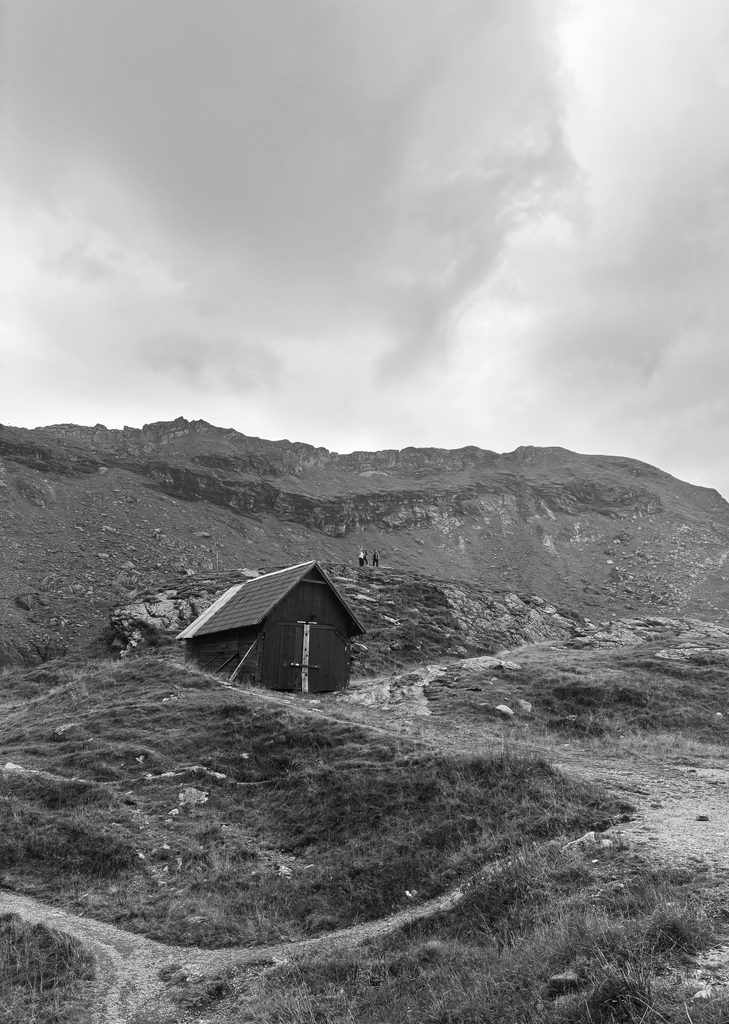
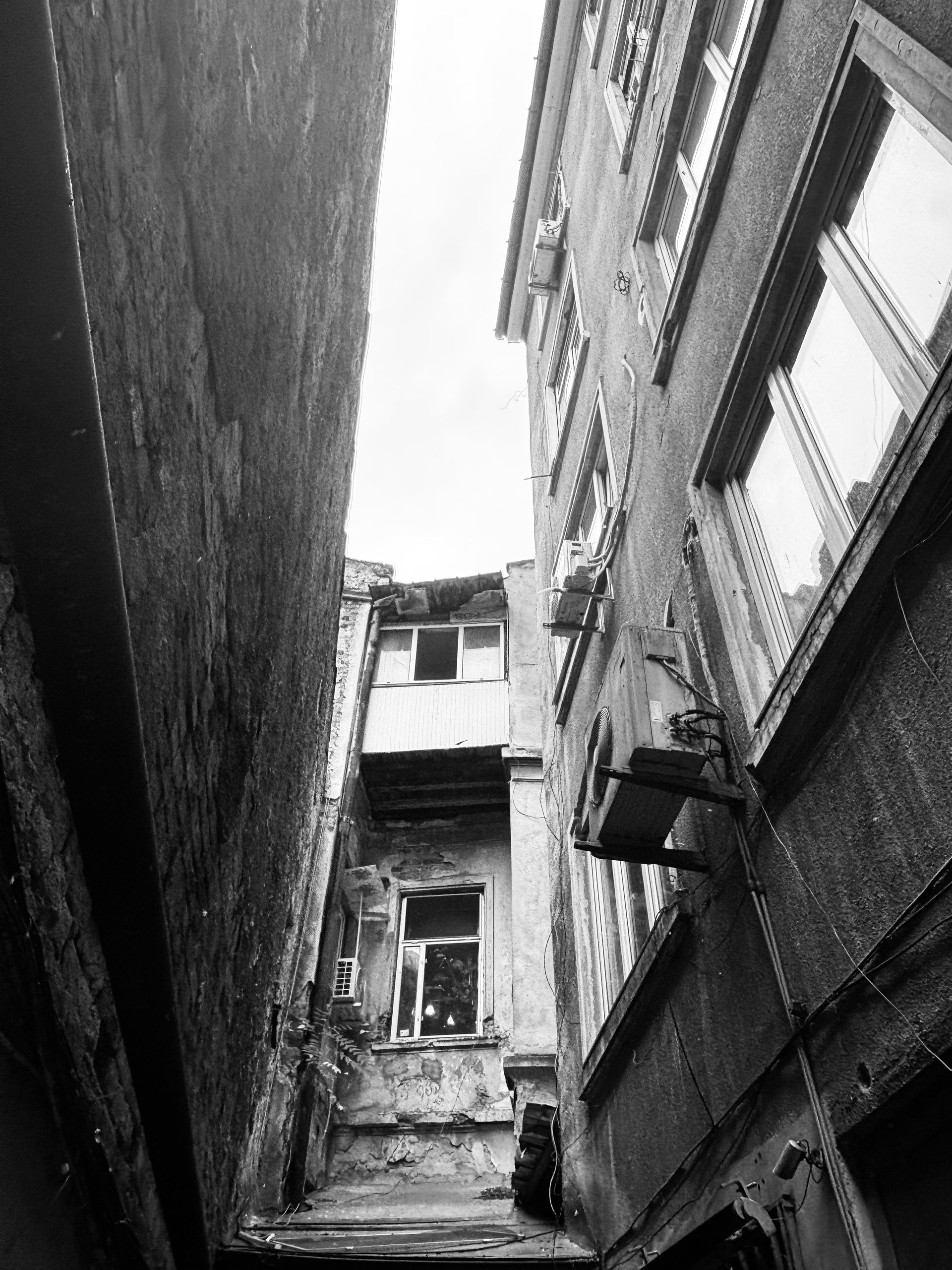
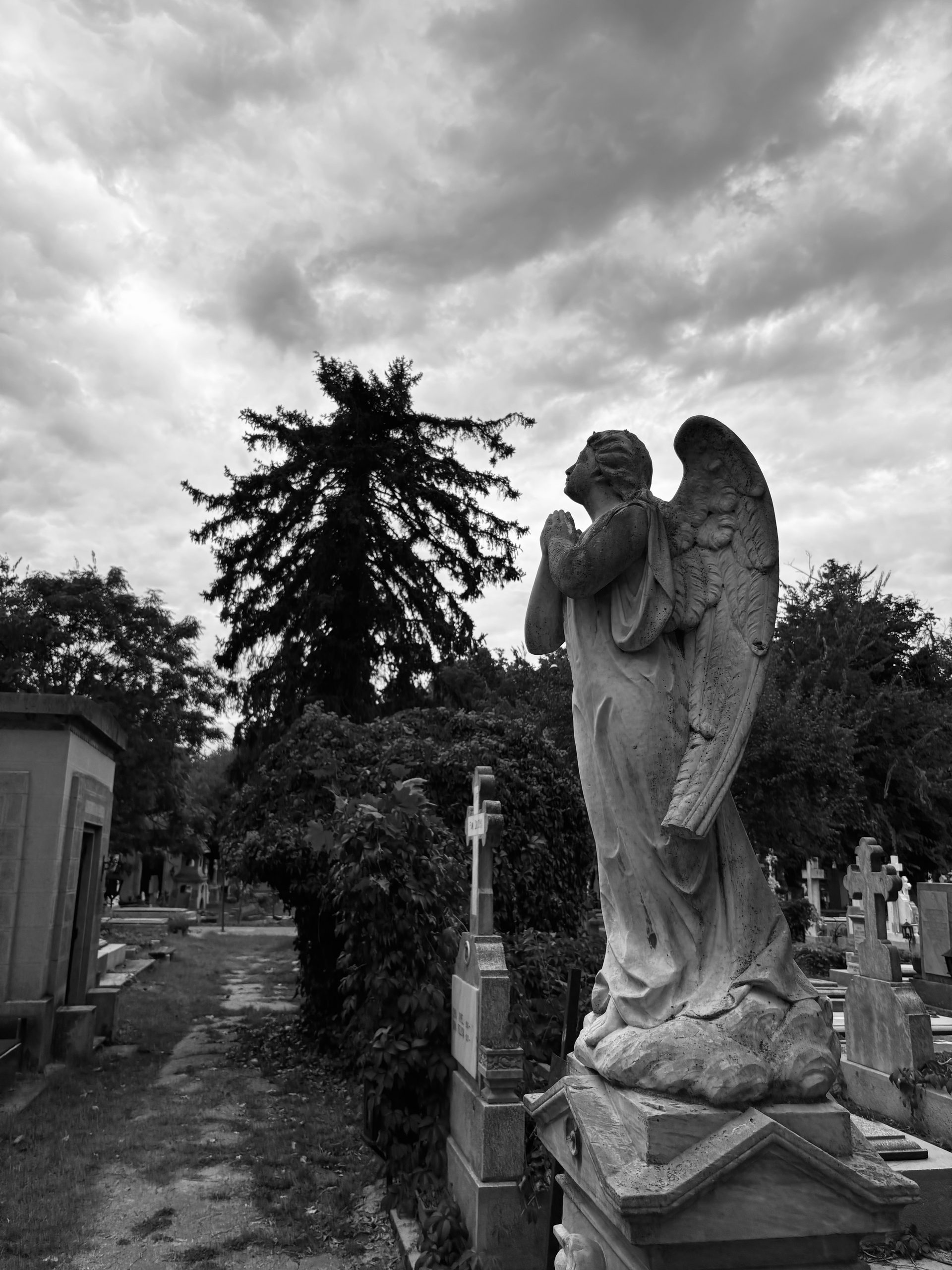
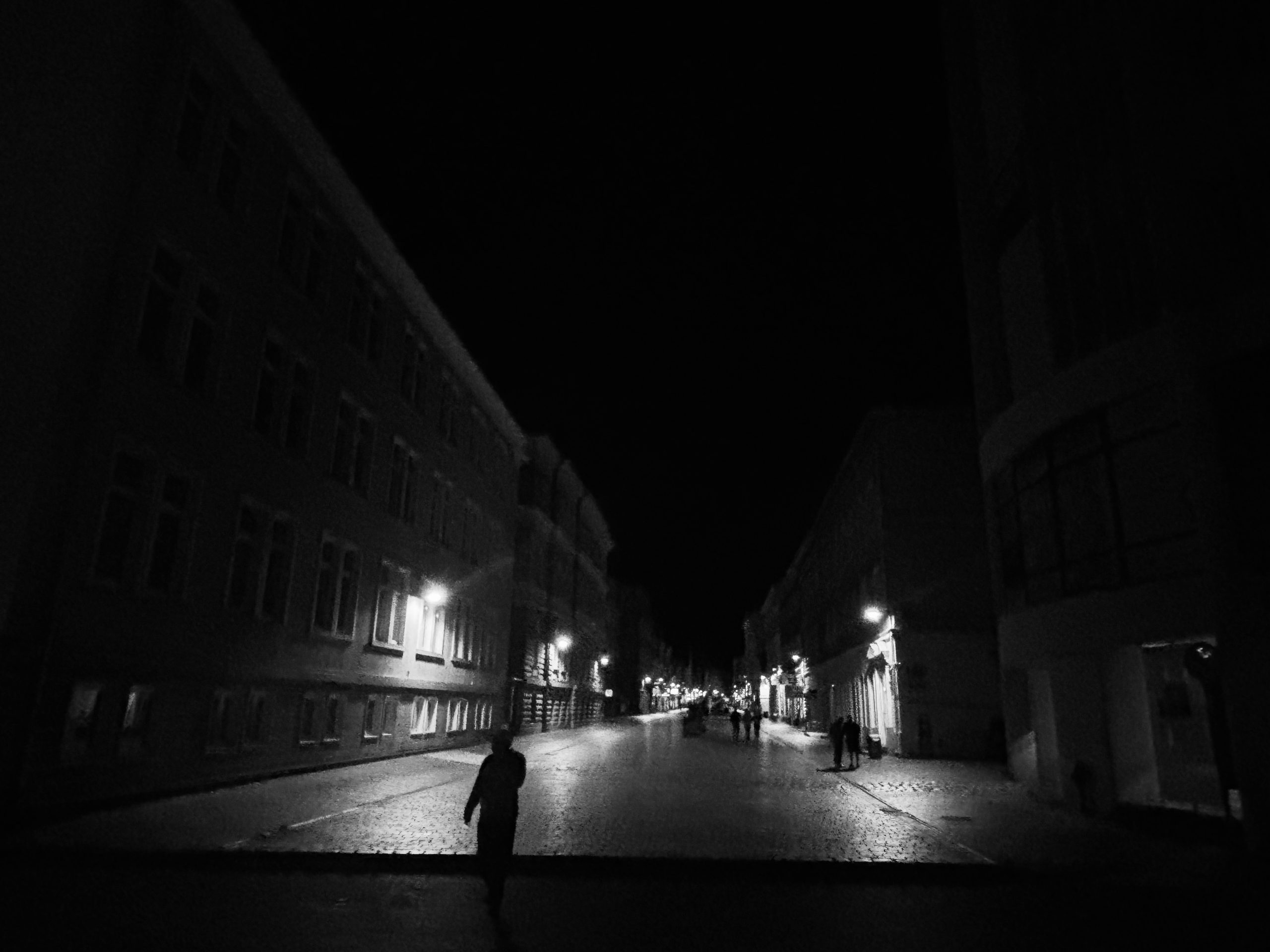
I think the same mechanism operates here as well. A photograph can be as dark as it wants, showing a dilapidated house or a dirty back street; what makes it uncanny is the secondary landscape it creates in the viewer’s mind.
A broken branch on a tree may mean nothing to one person, while to another it might resemble a scene capable of making their heart stop. So what matters is not only what exists within the photograph, but also what that image becomes in our minds.
Sometimes, it is not what we see in a photograph but what we feel while looking at it that creates the uncanny.
How does photography estrange the familiar?
Through what it evokes. By bringing to the surface the things the mind has hidden, covered up, or chosen to forget.
Even when we look at a photograph of a place we know very well, the image can remind us of another time, another person, or an emotion we have already left behind. At that moment, the thing itself remains unchanged, but our way of looking at it has changed.
I think this is exactly where alienation begins.
Does uncanniness exist within the photograph, or does it emerge in the mind of the person looking at it?
I think it emerges primarily in the mind of the viewer. A photograph that makes one person feel good can make someone else feel uneasy. Because we do not all share the same memories, losses, or fears.
But the photograph itself also plays a part. It evokes something, opens a door, and our mind completes what lies beyond it.
So perhaps the uncanny does not begin within the photograph, but it could not emerge without the photograph either. In the end, it takes shape within that personal relationship established between the image and the mind looking at it.