Ülkü YAĞMUR
Do Myths Preserve the Past, or Do Photographs Preserve a Moment?
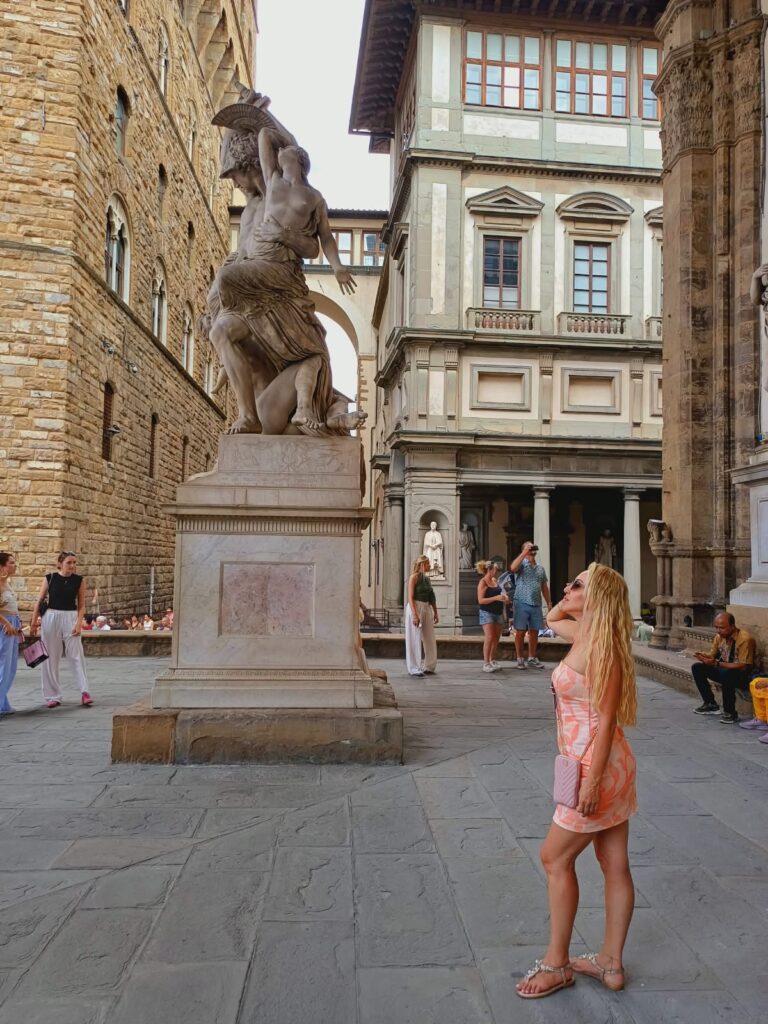
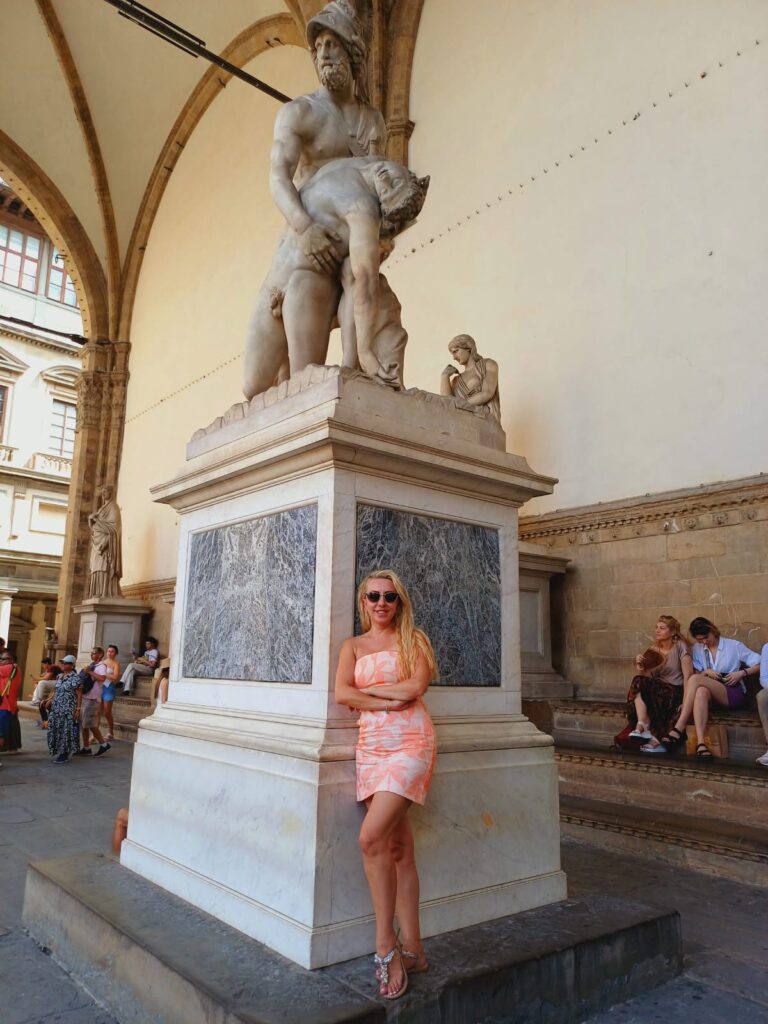
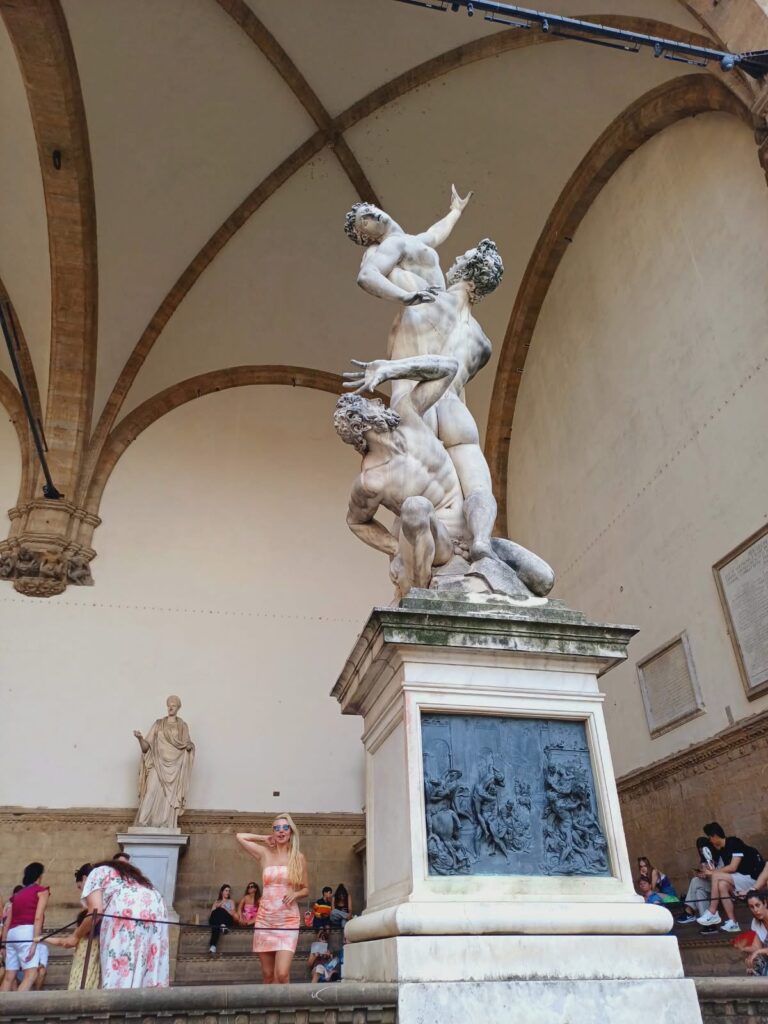
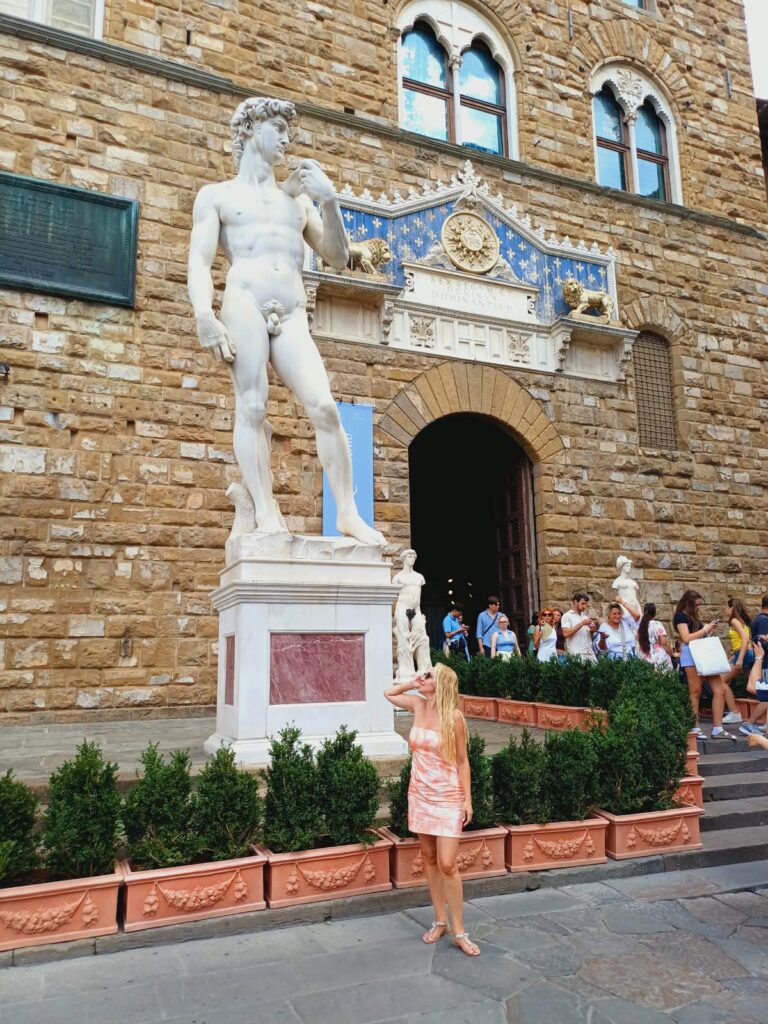
As a writer and someone who traces the echoes of mythology, this question immediately brings to mind Piazza della Signoria in Florence. Imagine standing in the middle of that open-air museum, where stone, marble, and bronze seem almost to breathe. You are looking at the mythological sculptures beneath the arches of the Loggia dei Lanzi. Faced with such grandeur, you raise your camera to the viewfinder and press the shutter. In that mechanical instant, you capture something fragile and fleeting: a single moment. The late-afternoon sunlight falling across the contours of a sculpture, a pigeon taking flight from its shadow, or a bewildered tourist gazing at it in admiration. By its very nature, photography freezes the ephemeral, preserving a fraction of a second that would otherwise disappear.
Yet the sculpture at the very centre of your frame—the myth itself—is not merely a dusty tale of something that happened in the distant past. Myths do not preserve the past alone; they carry the timelessness of humanity. They allow us to feel the enduring forces that shape us: our pride, our fears, our darkness, and our longing for heroism.
This is precisely where the artistic paradox of photography and mythology emerges. A myth carved into marble or cast in bronze has already transcended time, attaining a kind of immortality. By photographing it, you take that universal memory suspended beyond time and imprint it onto the brief, personal timeline of your own existence—onto a single moment. Yes, photography preserves a moment. But when you turn your lens towards a myth, you can contain the entirety of humanity’s past, along with its sense of eternity, within that fleeting instant.
The stories I write during my travels emerge precisely from the collision of these two dimensions of time. I have made my home at the point where the ephemeral second of the shutter closing meets and embraces the immortal memory carried by myth.
Why Does Humanity Create Gods, Heroes, and Monsters to Make Sense of the Unknown?
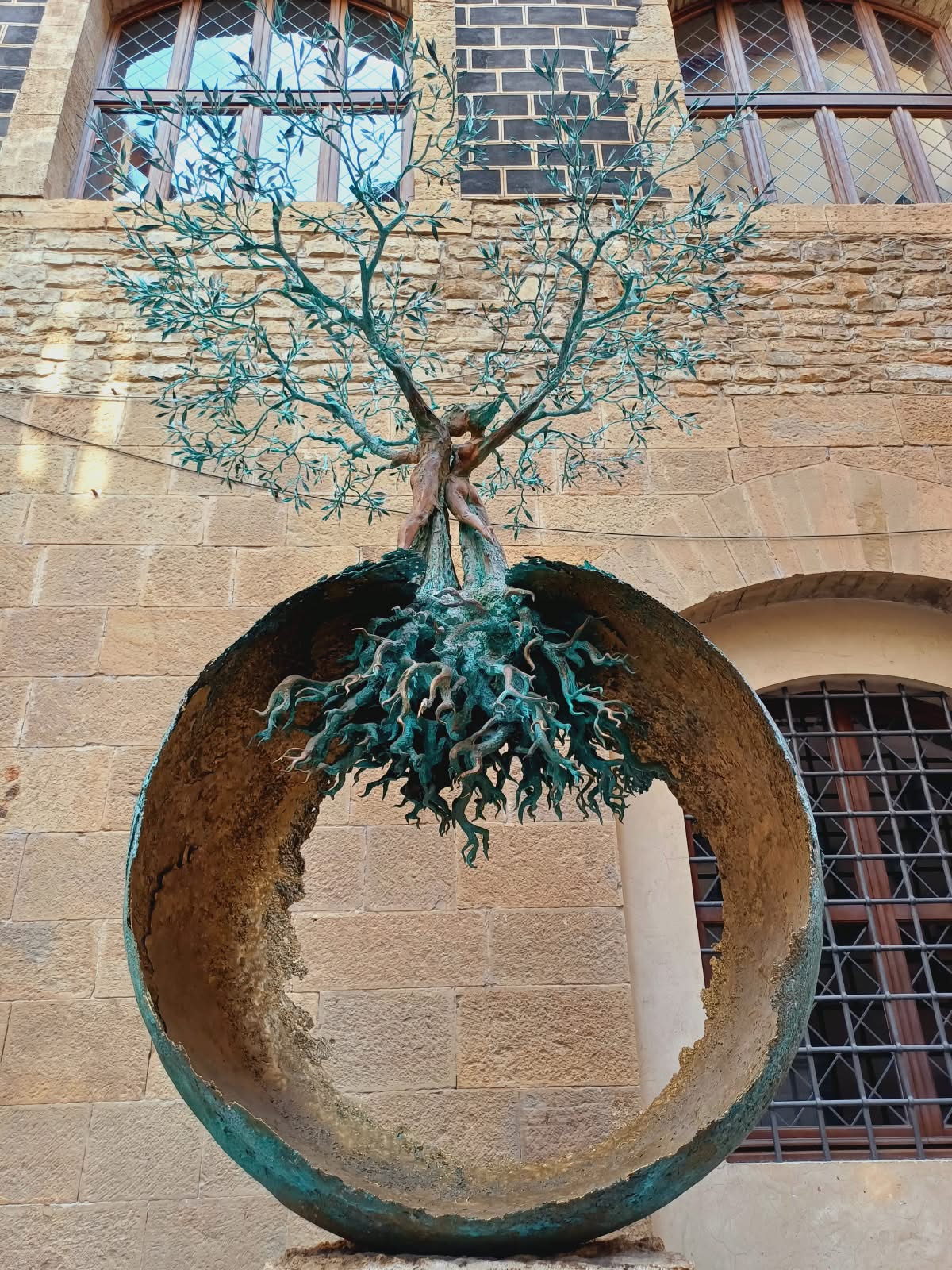
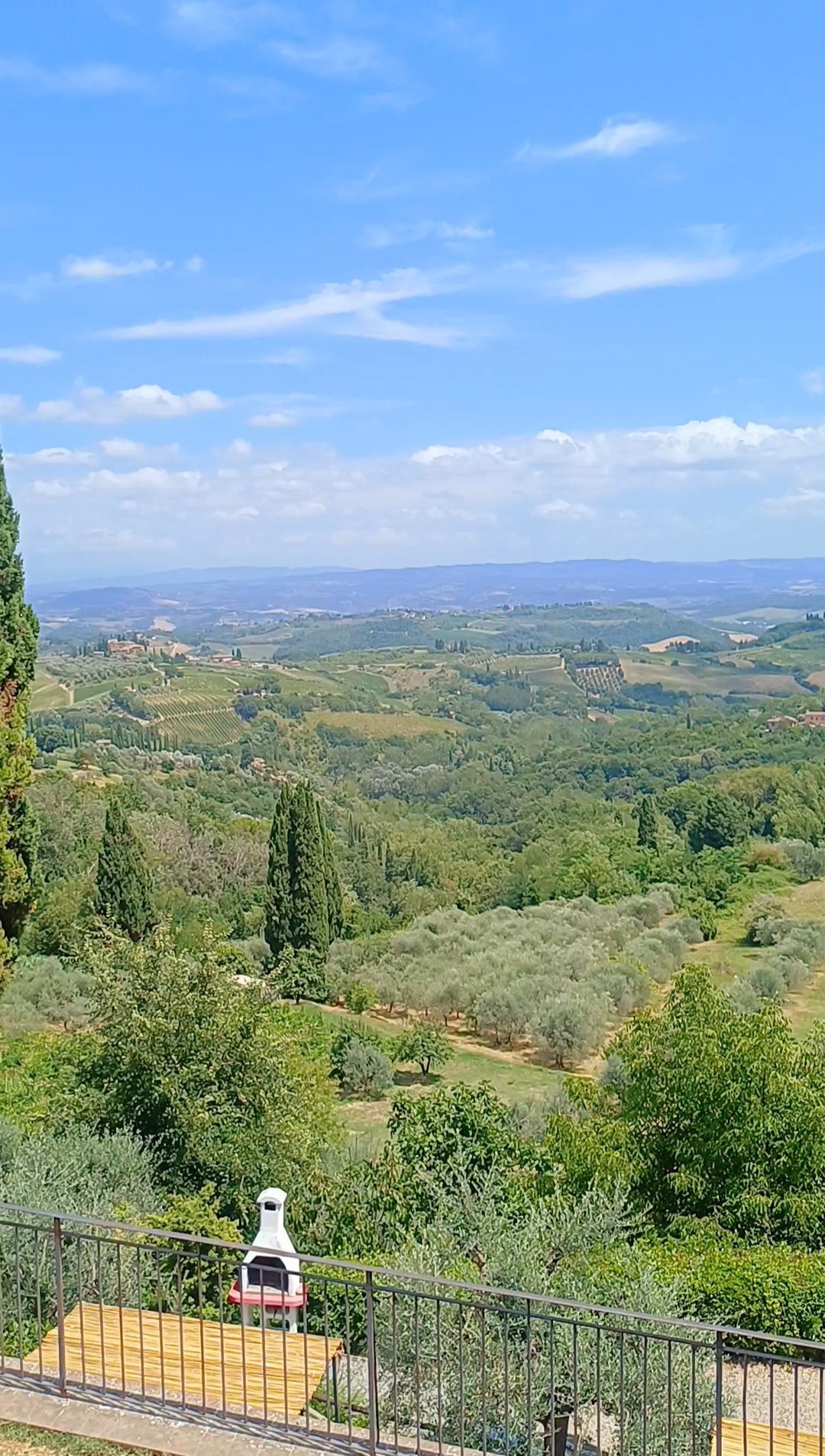
I would like to approach this question through a region I hold particularly dear. The moment I read it, an endless expanse of green appeared in my mind. As I wandered through the vast fields of Tuscany, photographing ancient olive trees whose twisted trunks seemed to hold the memory of the earth itself, and the region’s famous vineyards, I found myself searching for answers to similar questions. Perhaps the human mind simply cannot endure emptiness, chaos, or the immense silence of nature.
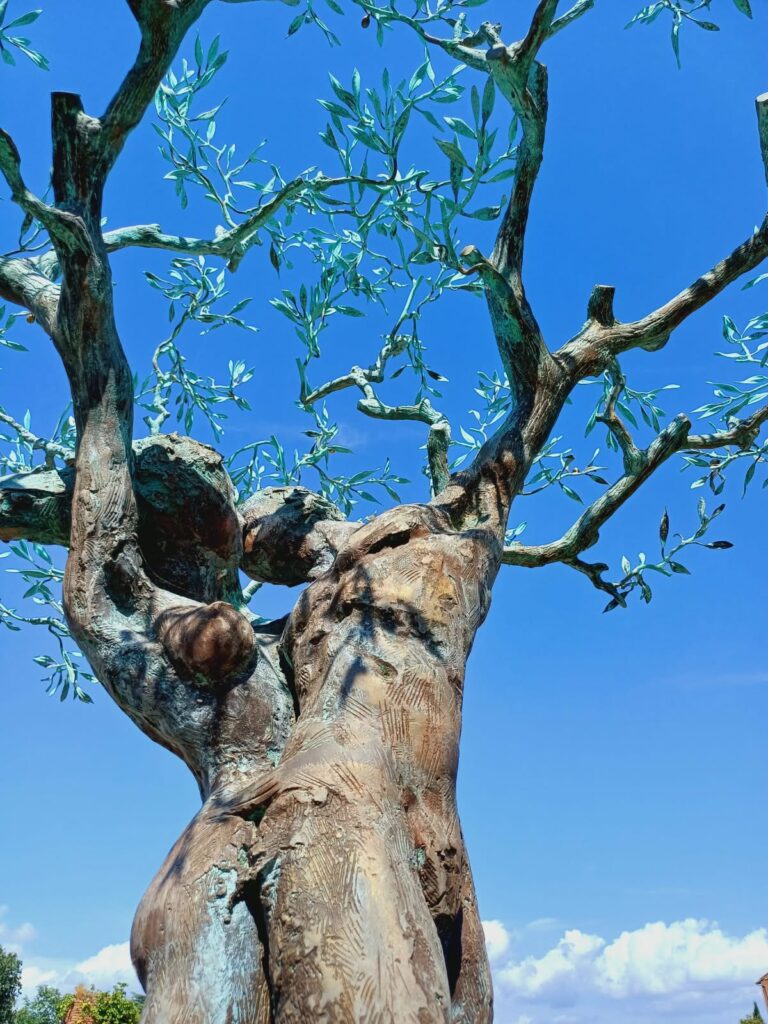
Look closely at the trunk of an olive tree that has stood for hundreds of years, and you may begin to see a face in pain, a mighty god, or a sleeping monster in its gnarled forms. Faced with our own brief existence, we long to understand the mystery of a tree that has endured for centuries, or of grapes that seem to die in winter only to undergo the almost miraculous transformation into wine. The unknown is a bottomless well. To look into that well, to make the silence of nature bearable, we feel compelled to give it a face, a name, and a story.
Here, I would like to speak of Tages, an ancient Etruscan figure whose legend originated in the lands of Tuscany. According to the myth, a farmer was ploughing the earth, perhaps preparing the ground for new vines or making room for an olive sapling, when a child suddenly emerged from a furrow opened by the plough. The child had the body of an infant but the white hair and wisdom of an old man. Tages taught humanity how to interpret lightning in the sky, understand the language of the earth, and enter into a kind of dialogue with nature—with the olive tree and the vine.
This, I believe, is why humanity creates myths to make sense of the unknown: because we are simultaneously fascinated and terrified by the silent, unpredictable power of the earth. We cannot control this chaos, but through stories, we can tame it. When we give the earth’s formidable and unsettling power the form of a wise child emerging from a field, nature ceases to be merely frightening. It becomes a character that can speak to us, whispering the secrets of the harvest.
As a writer, what I do in my stories is not so different from what those first storytellers did. Through literature, I, too, accompany humanity in its ceaseless search for meaning.
If Mythology Tells Us About the Invisible, How Does Photography Make the Invisible Visible?
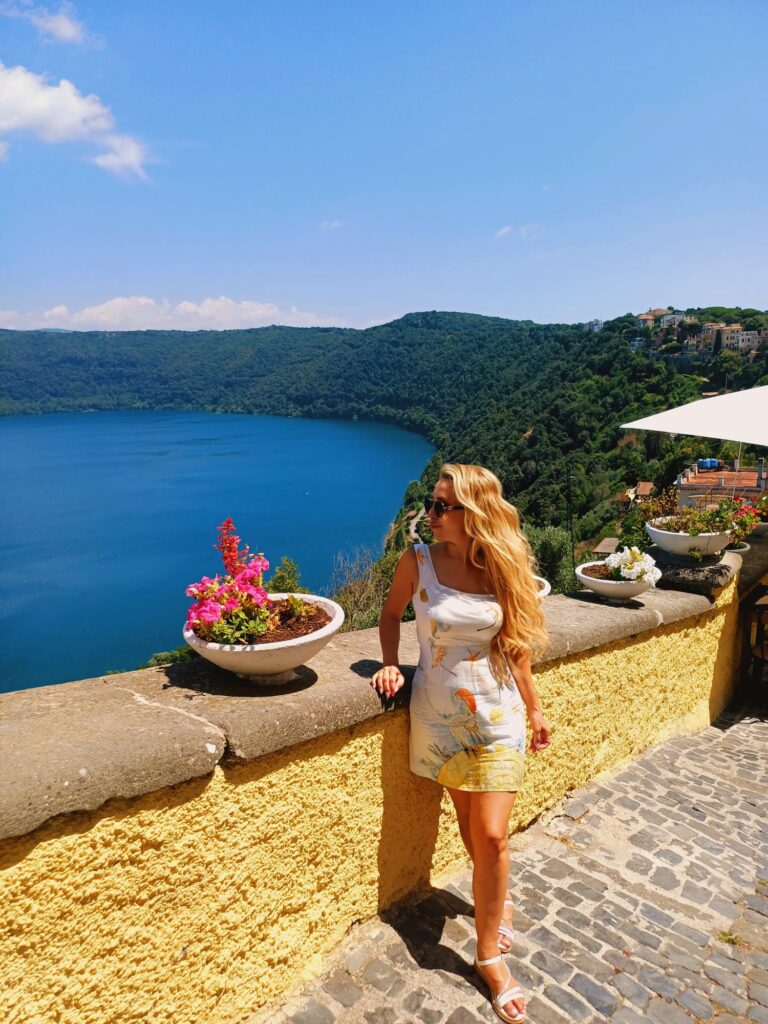
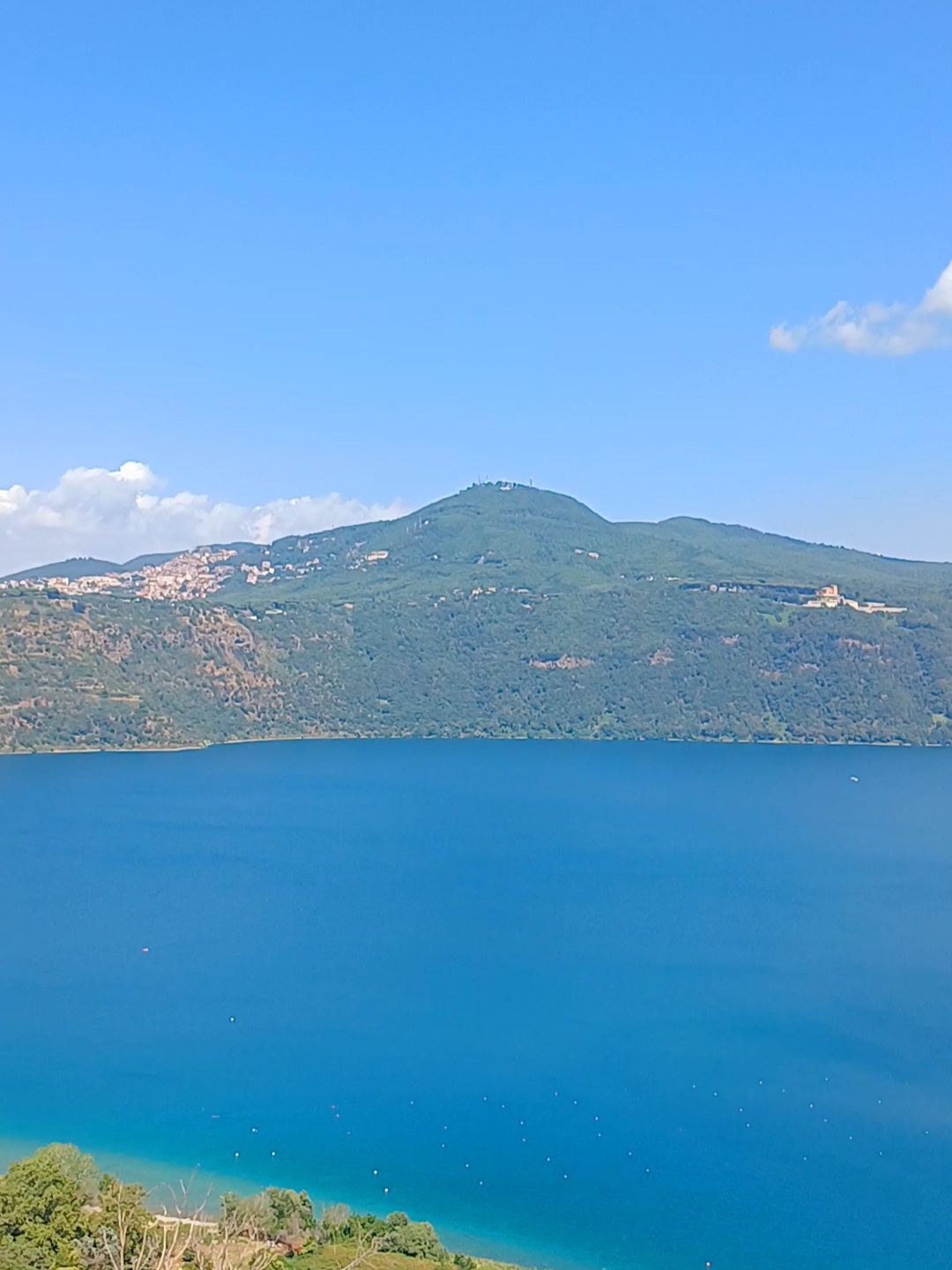
I would like to answer this question while standing on the heights of Castel Gandolfo, looking down towards Lake Albano and thinking about photographs in which time itself seems to have stood still.
Photography is often understood as the recording of light reflected from physical objects. Yet when you look through the viewfinder with a perceptive eye, a photograph can capture not only the visible landscape but also the memory of a place and the invisible energy embedded within it. Myths speak of the invisible; photography, in turn, can make it visible by awakening the ancient memory that lingers within a place.
Standing in Castel Gandolfo and looking towards the deep crater lake below, the physical reality presented by the viewfinder seems simple: a tranquil hill crowned by the Pope’s summer residence, and a dark, still lake. But when I look at this landscape through the lens of mythology and historical storytelling, my camera is no longer capturing an ordinary view. It is framing the very place where the mythological origins of Rome took root.
The story that remains invisible in the photograph, yet is brought into view by the act of pressing the shutter, is one I have always cherished. After the fall of Troy, the legendary hero Aeneas, son of Venus, escapes the burning city and arrives in Italy. His son, Ascanius, goes on to found Alba Longa, the ancestral home of Rome’s mythological lineage. But there is more. In the landscape before me, I sense the breath of Mars, the god of war. When the cruel king of Alba Longa forces his niece Rhea Silvia to become a Vestal Virgin, binding her to a life of chastity, Mars encounters her in this very region and falls in love with her. The famous twins who will go on to found Rome, Romulus and Remus, are conceived not in Rome itself, but on the hills around Castel Gandolfo.
As I gaze across those silent waters, I feel as though I am photographing an invisible prophecy—the mystery of the lake described by the Roman historian Titus Livius. According to the ancient account, the lake’s waters suddenly rose and overflowed despite the absence of rain, an event interpreted through the lens of prophecy. The Romans dug tunnels to control the waters, tunnels that still exist today.
This is how photography makes the invisible visible. It offers me more than an ordinary body of water or a landscape dominated by a summer palace. Within the frame, I can place ancient gods walking upon the waters, weary Trojans searching for a new homeland, and the very moment when the seeds of Rome were first sown.
If Mythology Constructs Memory, Which Memories Does Photography Carry into the Future?
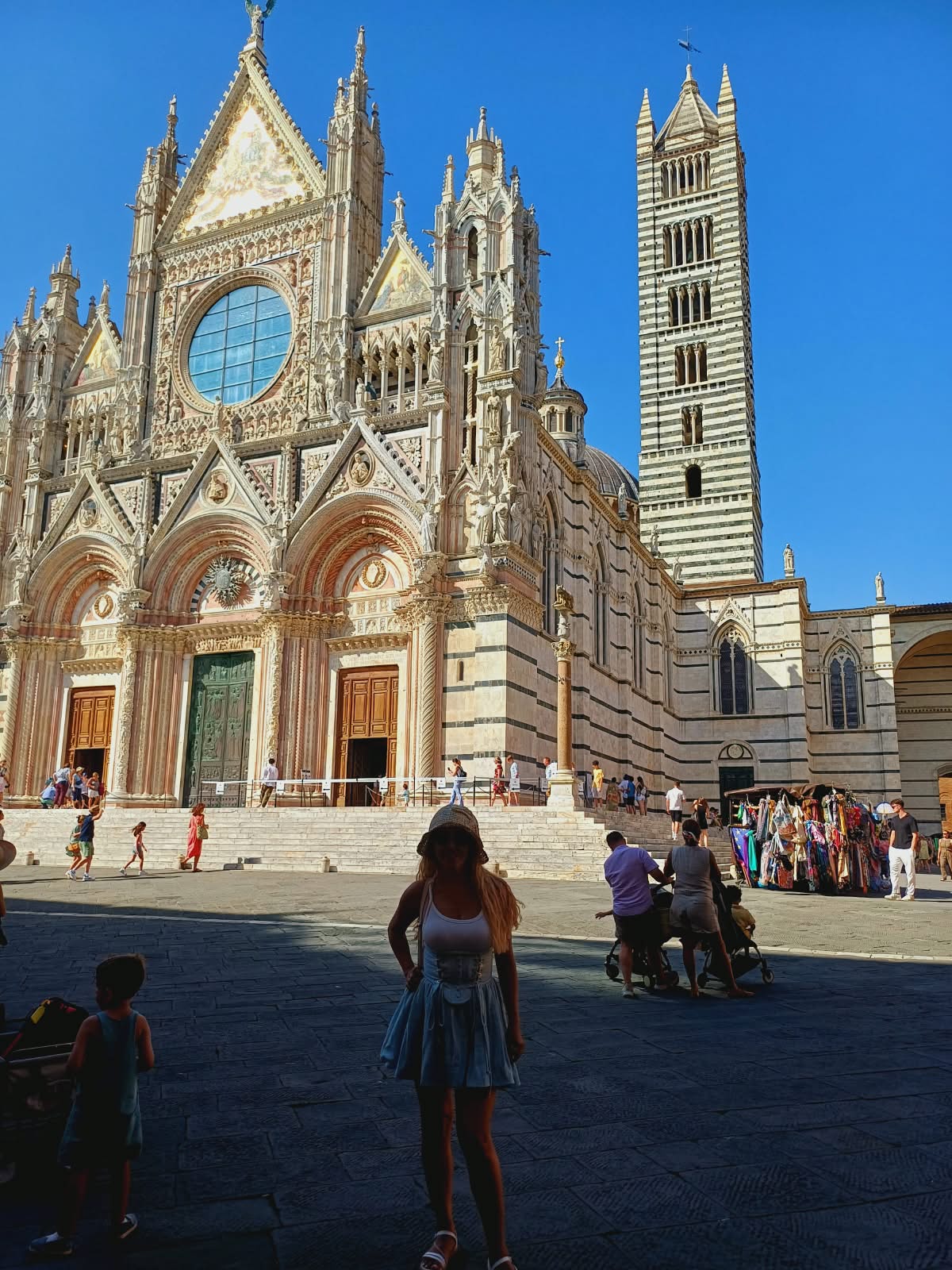
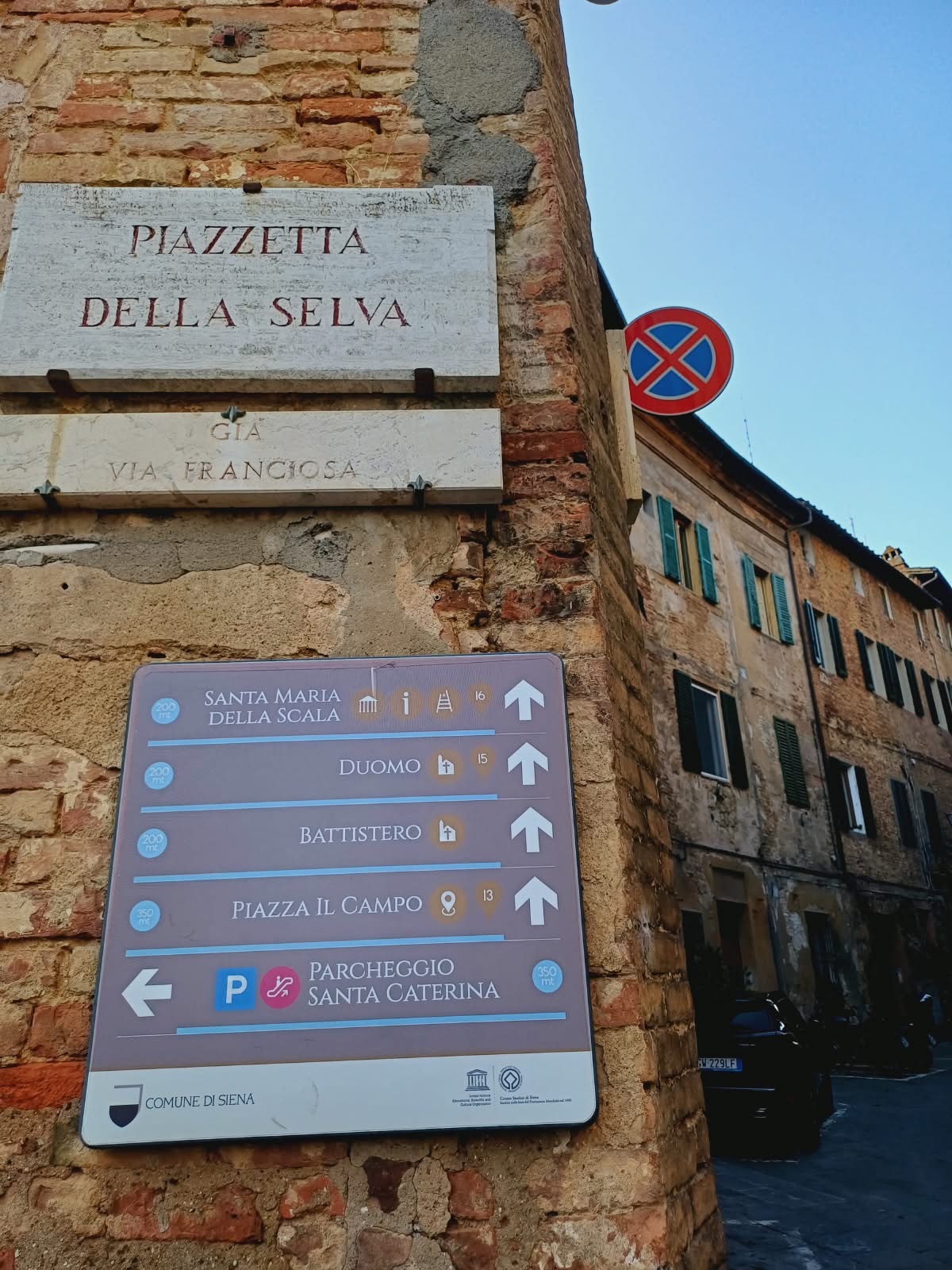
For me, Siena is one of the most tangible places on earth where mythology has constructed memory and carved it into stone. When you look at the hypnotic black-and-white marble of the Duomo di Siena, the cathedral that shares its name with the city, or at the city’s two-toned emblem, you are not simply looking at an architectural choice. You are looking at the very embodiment of a city’s founding mythology—its memory.
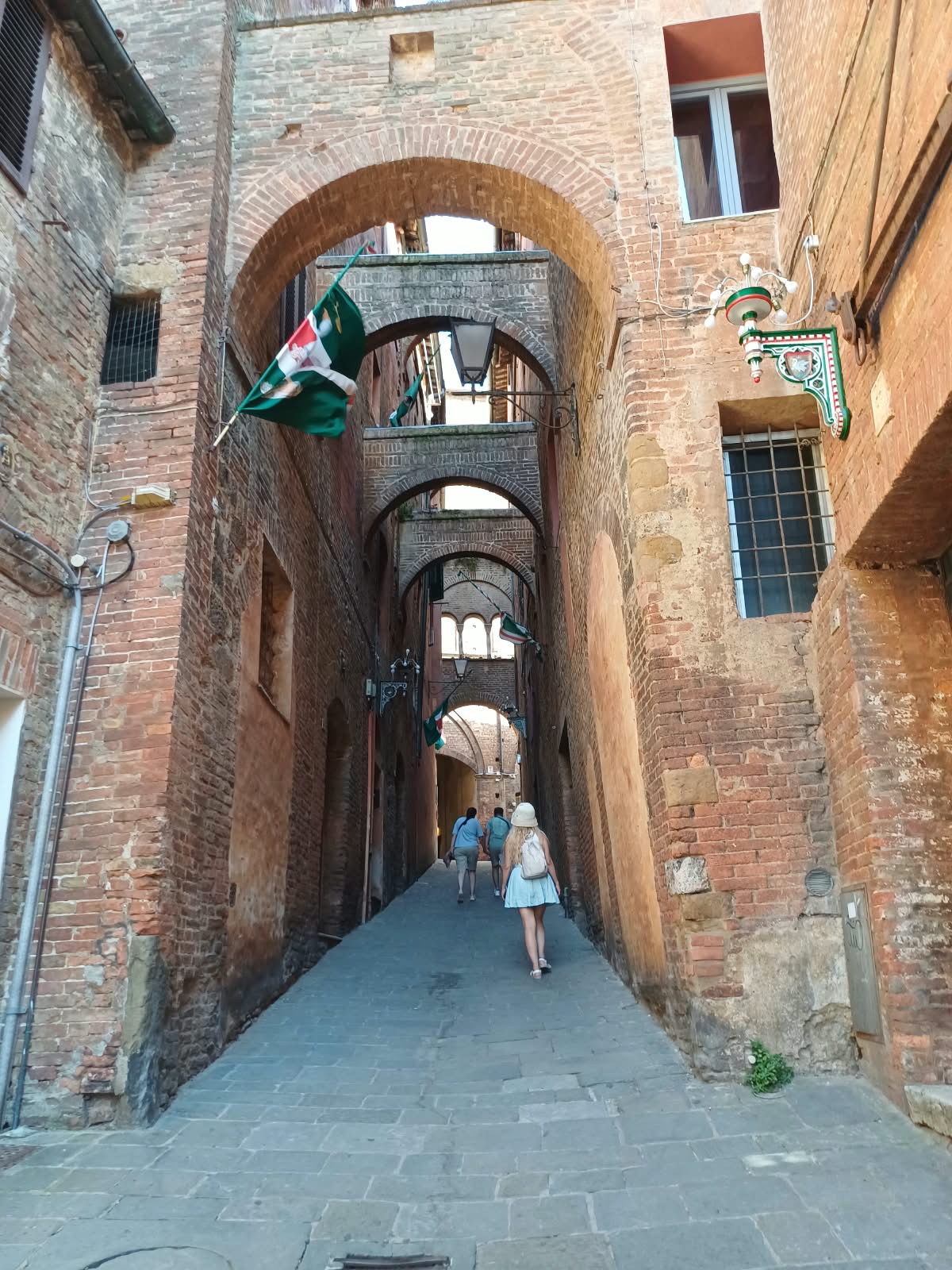
Let me briefly recount the legend. Imagine that dark night after Romulus, the founder of Rome, has killed his brother Remus, and the threat now turns towards Remus’s nephews. His two sons, Senius and Aschius, flee Rome in the middle of the night to escape their uncle’s wrath. They take with them one of Rome’s most sacred symbols: the statue of the she-wolf, Lupa, who suckled their father. The gods come to their aid, sending them two divine horses from the heavens. Senius mounts a coal-black horse, while Aschius rides one as white as milk. When they reach the hills where Siena now stands, they build an altar and light a fire in gratitude for their escape. The smoke rising from the flames takes on two distinct colours—pure white and deep black—echoing the colours of the horses they rode.
Thus, mythology constructs Siena’s enduring memory around the interplay of light and darkness, rebellion and rebirth.
But if mythology creates this memory, which memory does the photograph I take in front of the cathedral carry into the future?
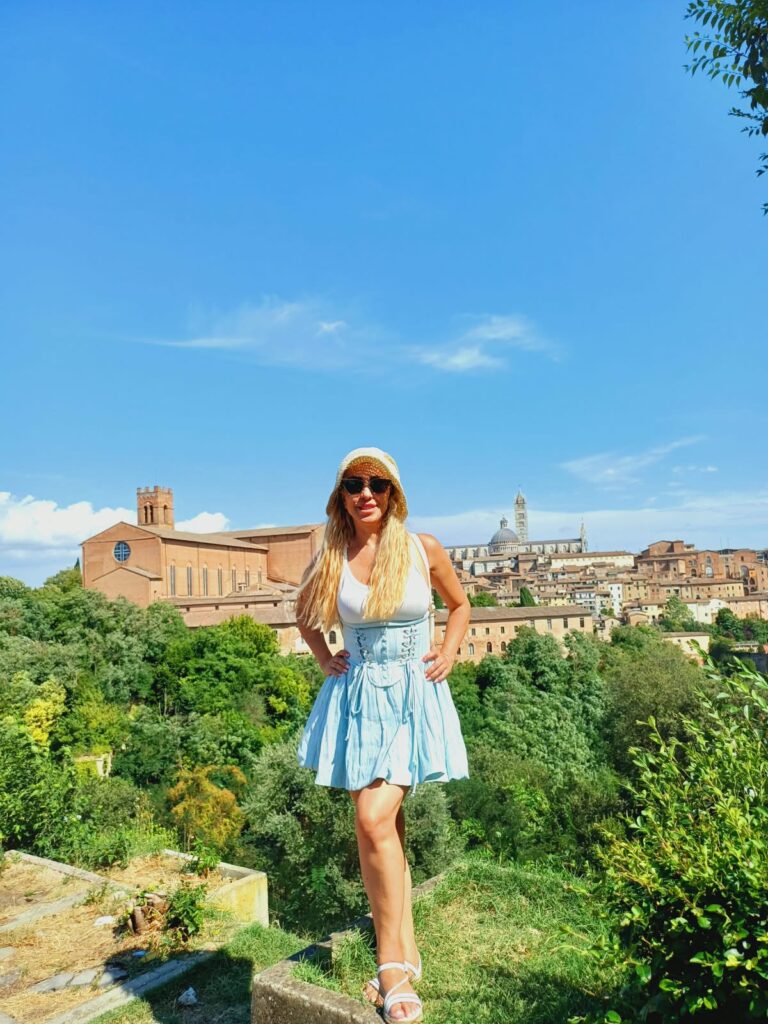
When I photograph Siena’s black-and-white marble, its cathedral, and its historic columns, I am doing more than documenting a medieval city. Photography carries into the future the living echo of a myth transformed into stone, an echo that continues to resonate in our own time. As an art of light and shadow, photography freezes the breathless story of two brothers who escaped death on coal-black and milk-white horses to forge their own destiny.
While mythology tells us, “This happened in the past,” photography tells those who will come after us, “This ancient legend is still here, alive in these stones, and the sound of those horses’ hooves can still be heard.”
To me, that is precisely where the enchantment and beauty lie.