Hüseyin YAVUZ
Conviction: Punishment or Price?
The word conviction feels somewhat harsh to me.
Who can convict whom, and for what?
If we are talking about being convicted according to laws or criminal code articles, and the option “none of the above” were available in the question, I would have chosen it directly. However, since two options were left, in today’s literature the phrase “to pay the price” is closer. But I repeat: laws and statutes have often shifted over time.
The execution of the Denizli rebels or the convictions of Bruno and Galileo in history are not evaluated in the same terms today.
There are thousands of examples of this, both minor and major.
Conviction: Does it consume or transform a person?
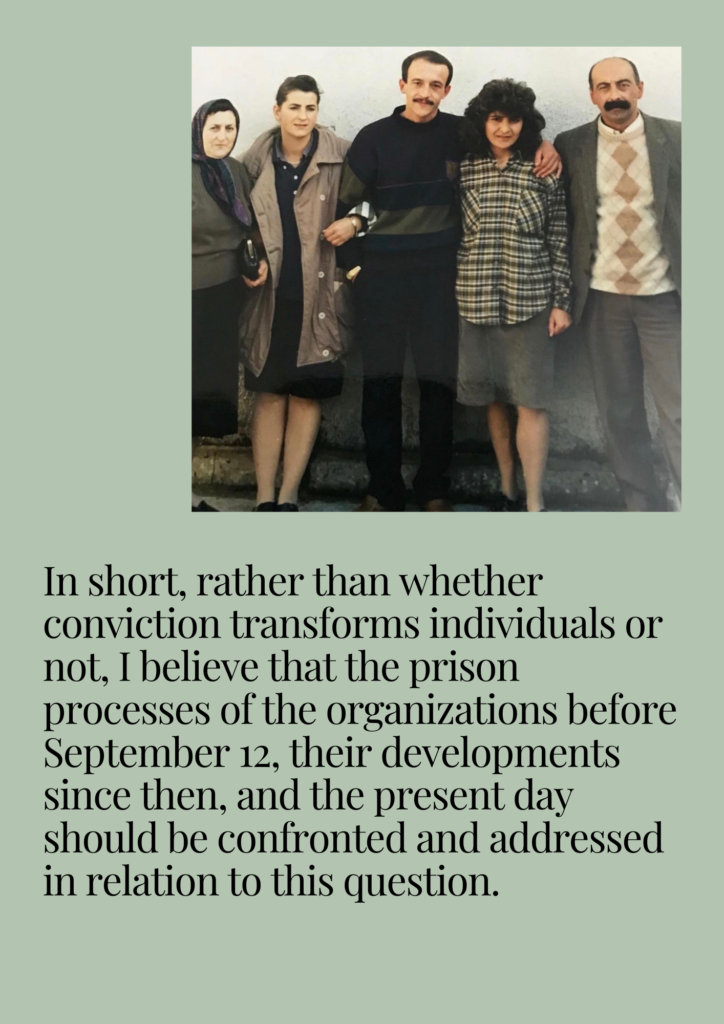
I ended up in prison wounded after a conflict.
We were two friends; the other was four years older than me, 19 years old.
He was killed in that clash.
Later, when they came to search the house, they told my family that one was dead, the other wounded.
My mother collapses: “He must be dead,” she says.
The officer asks my mother, “Aunt, did your son wear glasses?”
“They say the one with glasses was killed,” he adds.
My mother, torn between hope and grief, says:
“He didn’t wear them.”
“Then it’s not him,” says the officer.
Then my mother says:
“But what if he did?”
Amid a great upheaval,
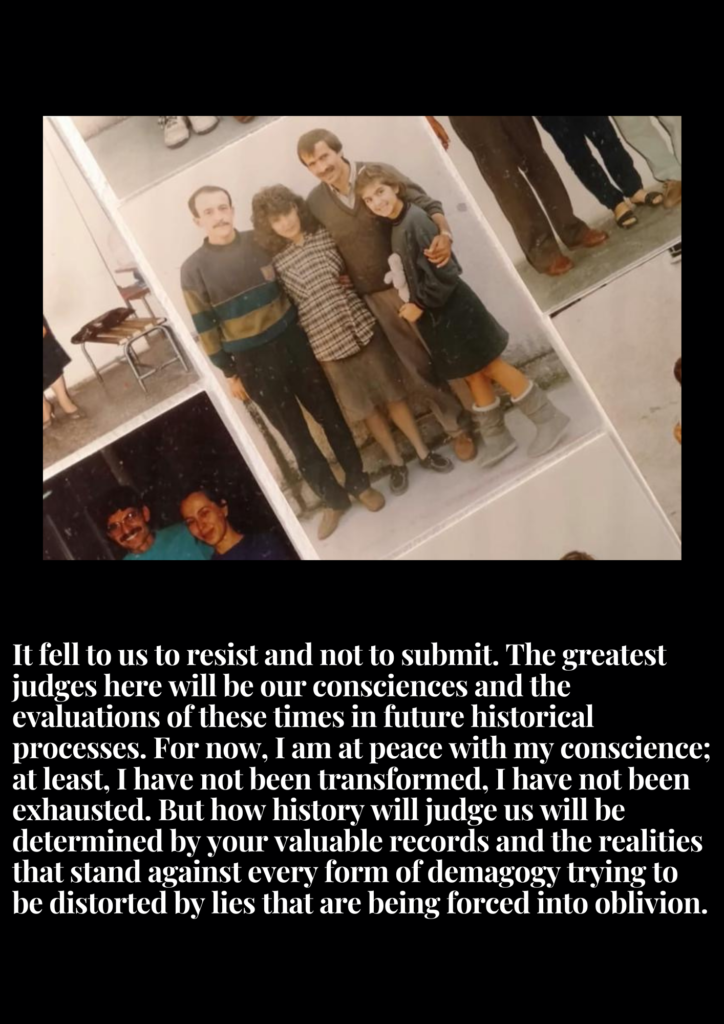
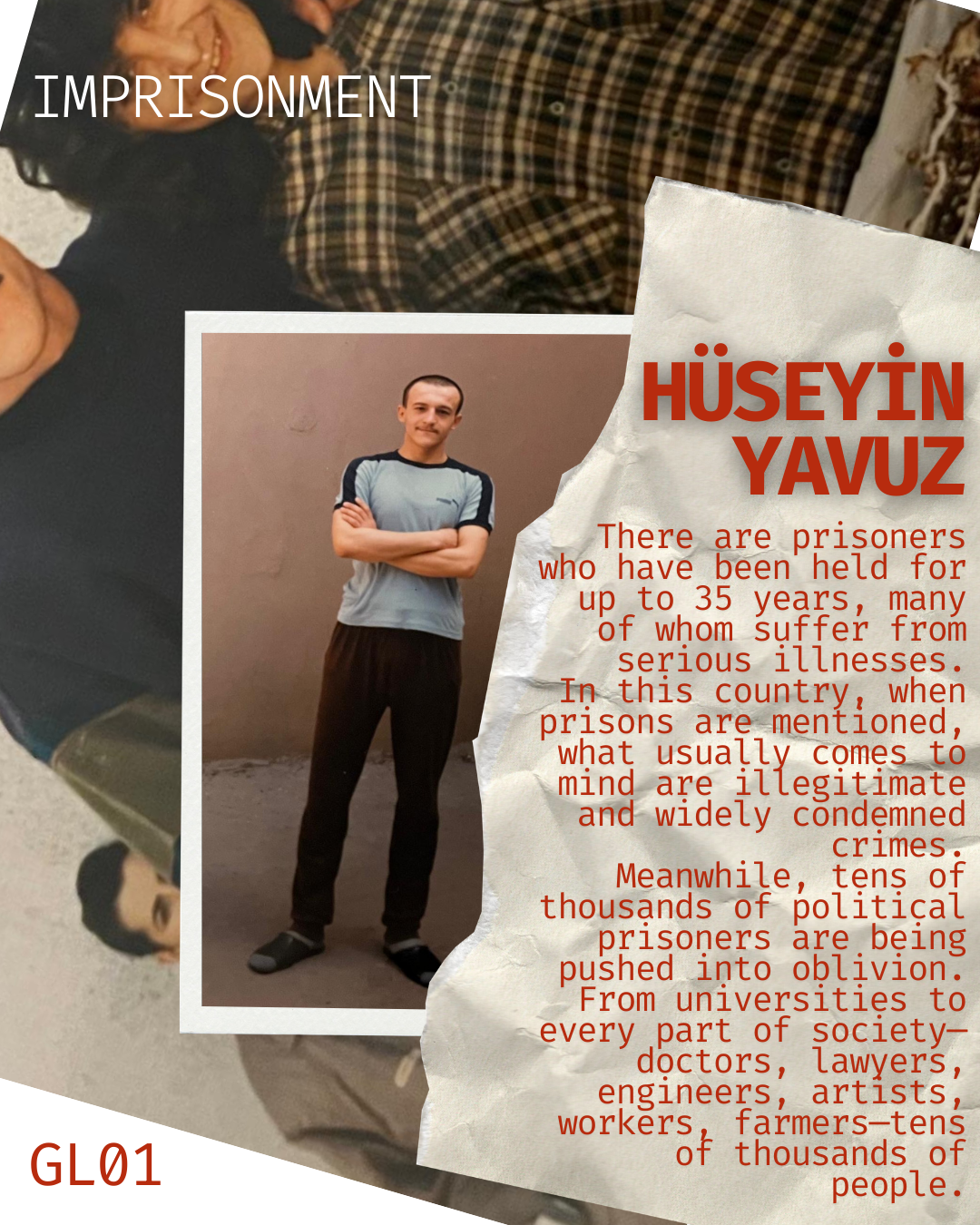
I was arrested at the age of 14.
Forty-seven years have passed.
Mine is not an eternal life; it could have ended 47 years ago. Eventually, it is bound to come to an end.
The thought that even a single day in the cells would be considered a punishment never crossed my mind.
Prisons, in fact, create their own ecosystem.
The prison resistances of September 12 have become a benchmark for today.
To resist or to surrender.
During this period, the culture of resistance became a struggle for honor throughout ten-year prison terms.
I, along with thousands of prisoners, faced over two years of solitary confinement and visitation bans.
Many death fasts, hunger strikes, and physical resistances took place in Metris and Diyarbakır.
In the work on the Memory Museum, these were documented very thoroughly with records and figures.
These are significant events.
We must not forget the imprisonments outside of our struggle; spouses, children, mothers, and fathers were serious participants in this process. They too were subjected to torture and suffered oppression.
Now, without addressing the tortures, rapes, and disappearances of the September 12 period, it is impossible to explain our own experience of imprisonment and its interactions.
Conviction: Does it silence or sharpen?
It is a relative concept, and it has varied from person to person. But the main point is that the decisive factor was the stance of the organizations involved in the mass trials after September 12—whether they became more radical or remained silent. Some structures radicalized significantly during this period, and even if not completely, their supporters also radicalized to a large extent, with many knowing how to die heroically; they paid their prices in this way.
This is how it was recorded in history.
Large-scale, mass organizations, even today, have attitudes shaped by the transformations of that period, which have led to criticism and silence. Among them were those who carried out brave acts of resistance, paying their price through torture and on the gallows.
I honor them all with respect; those who refused to surrender in the mountains and those killed in clashes.
Unfortunately, however, the leadership elements that could not show the same stance have paved the way for this silence and submission today.