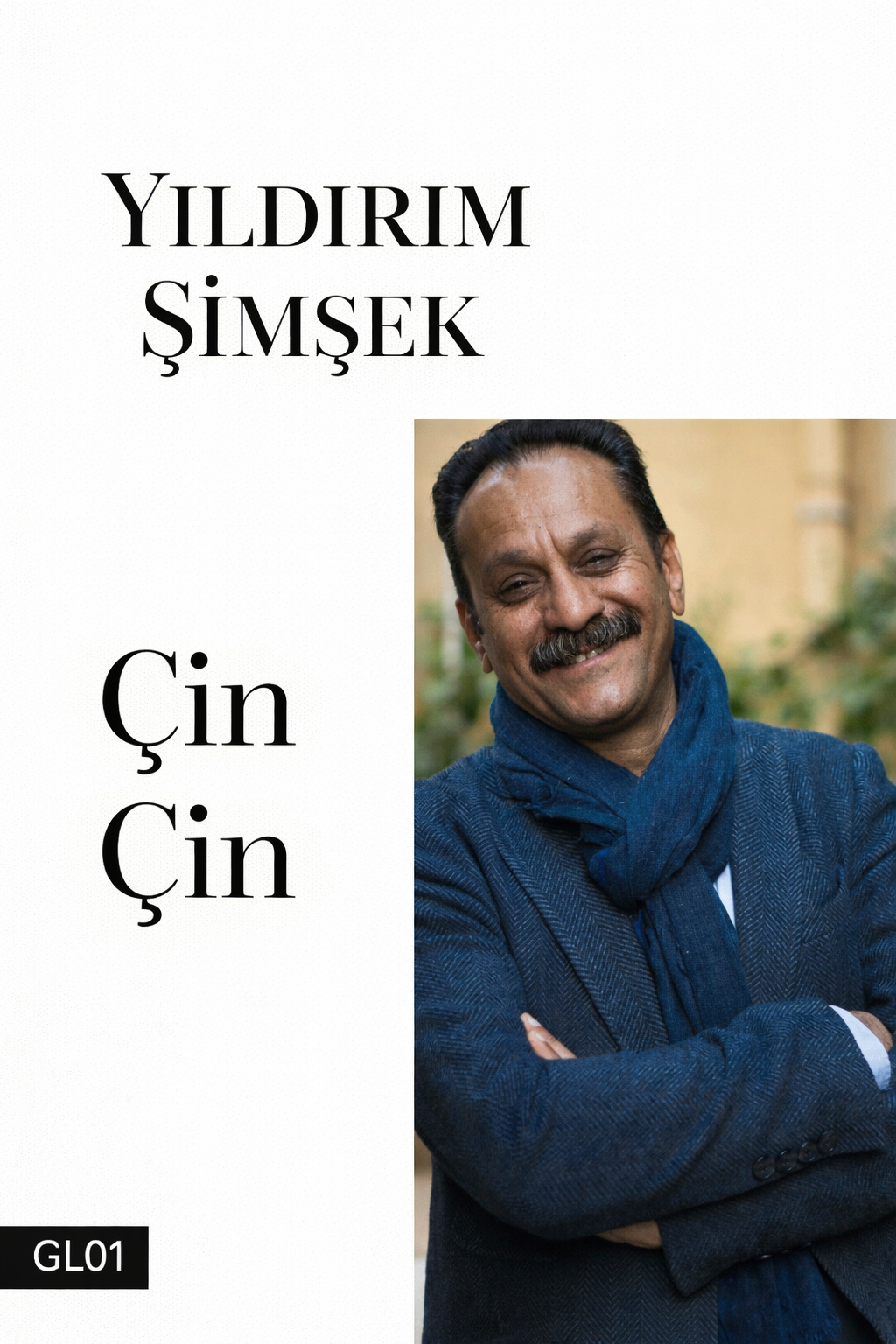
Yıldırım ŞİMŞEK
Çalışkanlar Neighborhood…
Is the destruction of a neighborhood merely the end of a place, or the exile of a memory?
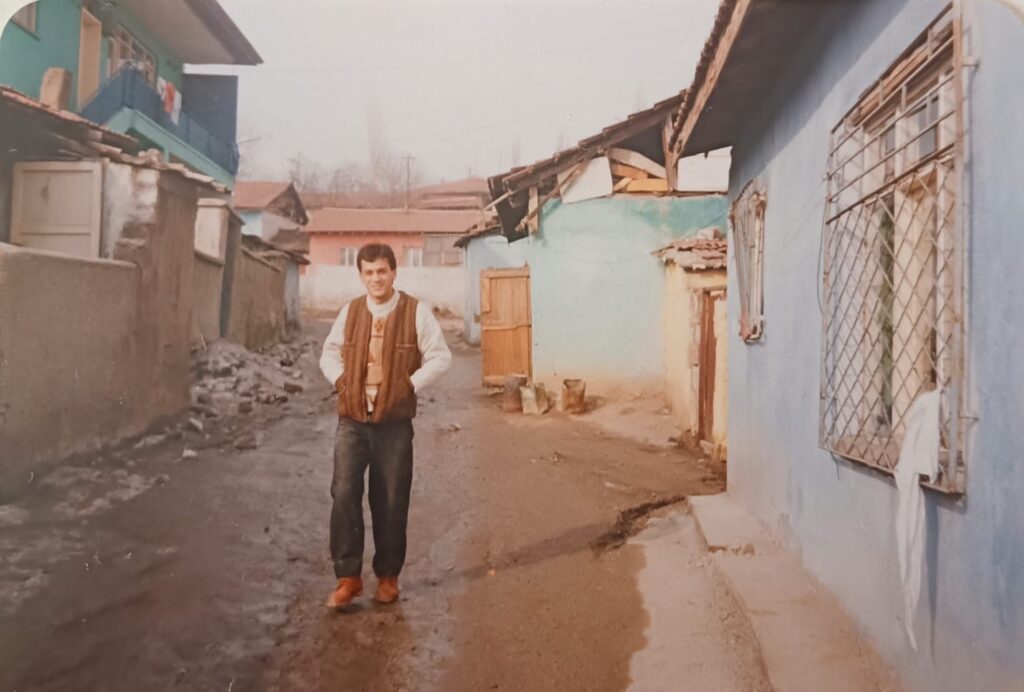
Çalışkanlar Neighborhood is not just a place name for me. Jorge Amado’s words, “A person’s homeland is their childhood,” express this feeling best. For me, the homeland of my childhood is Çalışkanlar Neighborhood. My first understanding of life and the future took shape there. This neighborhood is where joy, poverty, solidarity, resilience, and my journey of discovering the world intertwined; it is where the most beautiful years of my life passed. Even today, it continues to live in my mind, my dreams, and my emotions.
What left such strong feelings in us were the people of that neighborhood. People who loved to have fun — colorful, cheerful, who knew solidarity, who enjoyed imitation and laughing together… Most had come from villages in Erzurum and Erzincan, yet over time, even without blood ties, they became as close as relatives. The doors of homes were never closed. People came and went freely, sharing their tables. A dish disliked in one house could be compensated for in another. It was a shared life far more intimate, warm, and sincere than today’s way of living.
Of course, such lives existed in many parts of Türkiye at that time. But what made our story different was that we built such a life in the center of Ankara, right next to Cebeci Asri Cemetery. For us, the cemetery was not only a place of death; it was also a playground, a meeting point, even a source of income. On holidays, we earned pocket money by watering graves; we had picnics in its wooded areas. That is why Çalışkanlar Neighborhood—together with Aydınlıkevler, Cebeci, and its surroundings — was, for me, the center of the world.
My turn toward theater and acting also began thanks to the people of that neighborhood. The older brothers, uncles, and aunts loved to imitate, create games, and laugh together. This atmosphere nurtured my talent for imitation, my desire to act, and my interest in the stage. Even today, in the works I write and the plays I stage, traces of those people and characters remain. My reason for writing about Çalışkanlar and Çinçin is to keep that memory alive.
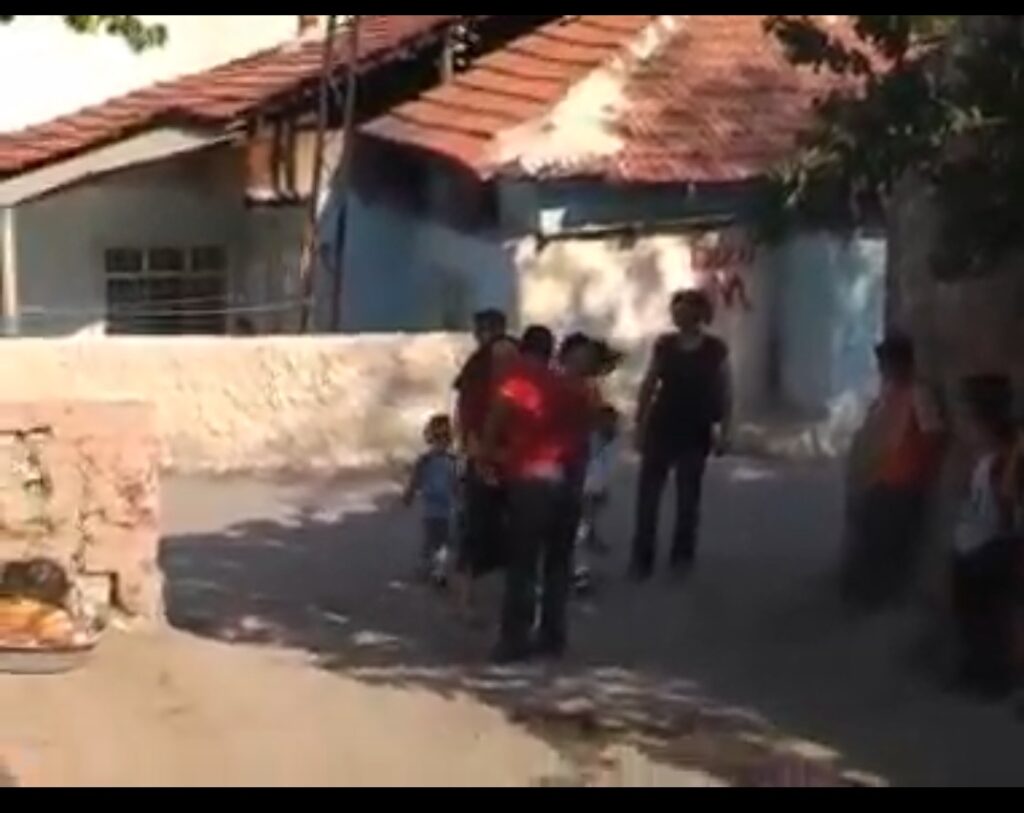
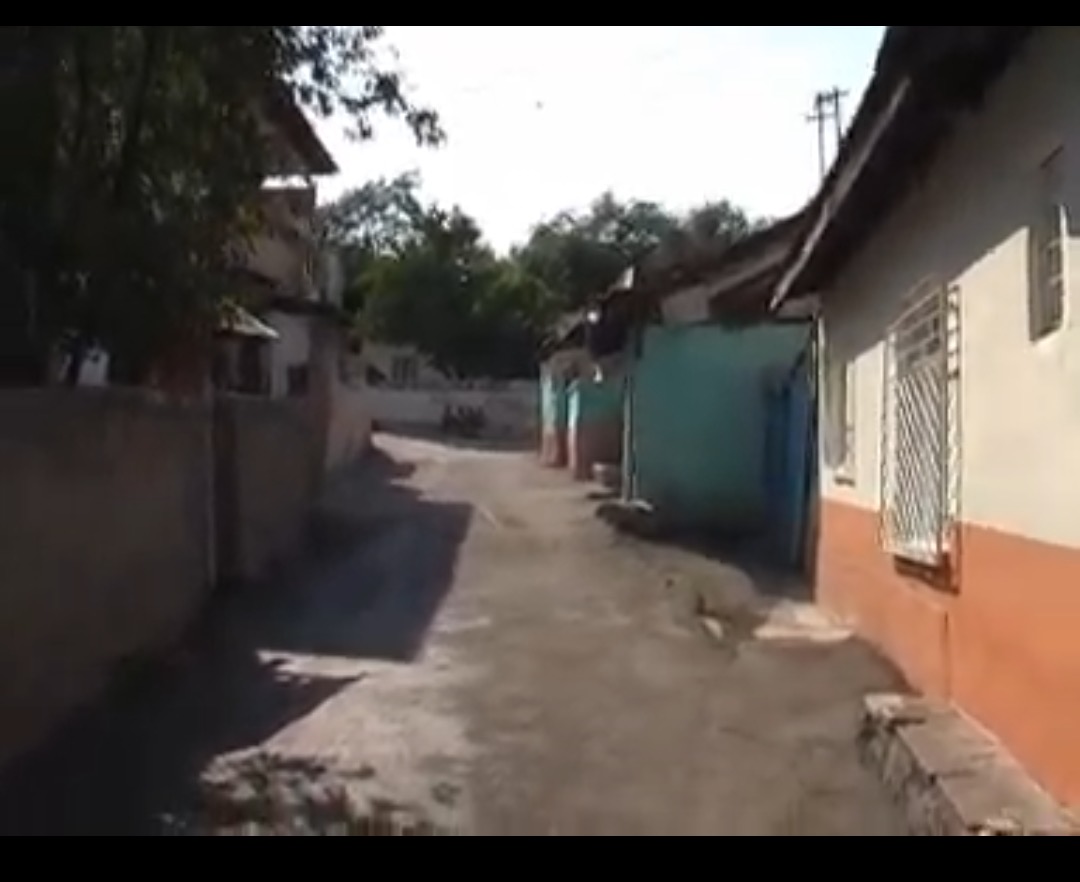
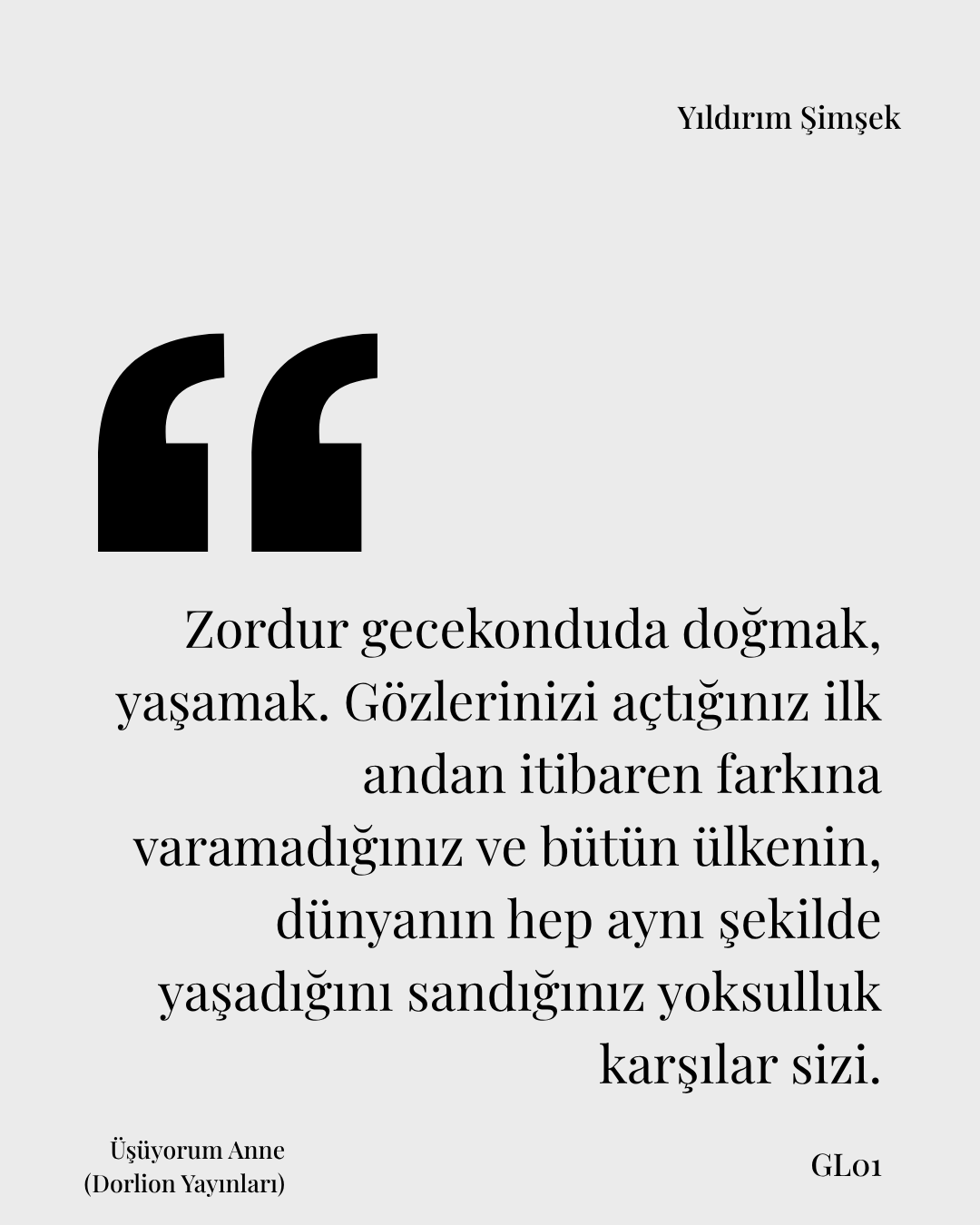
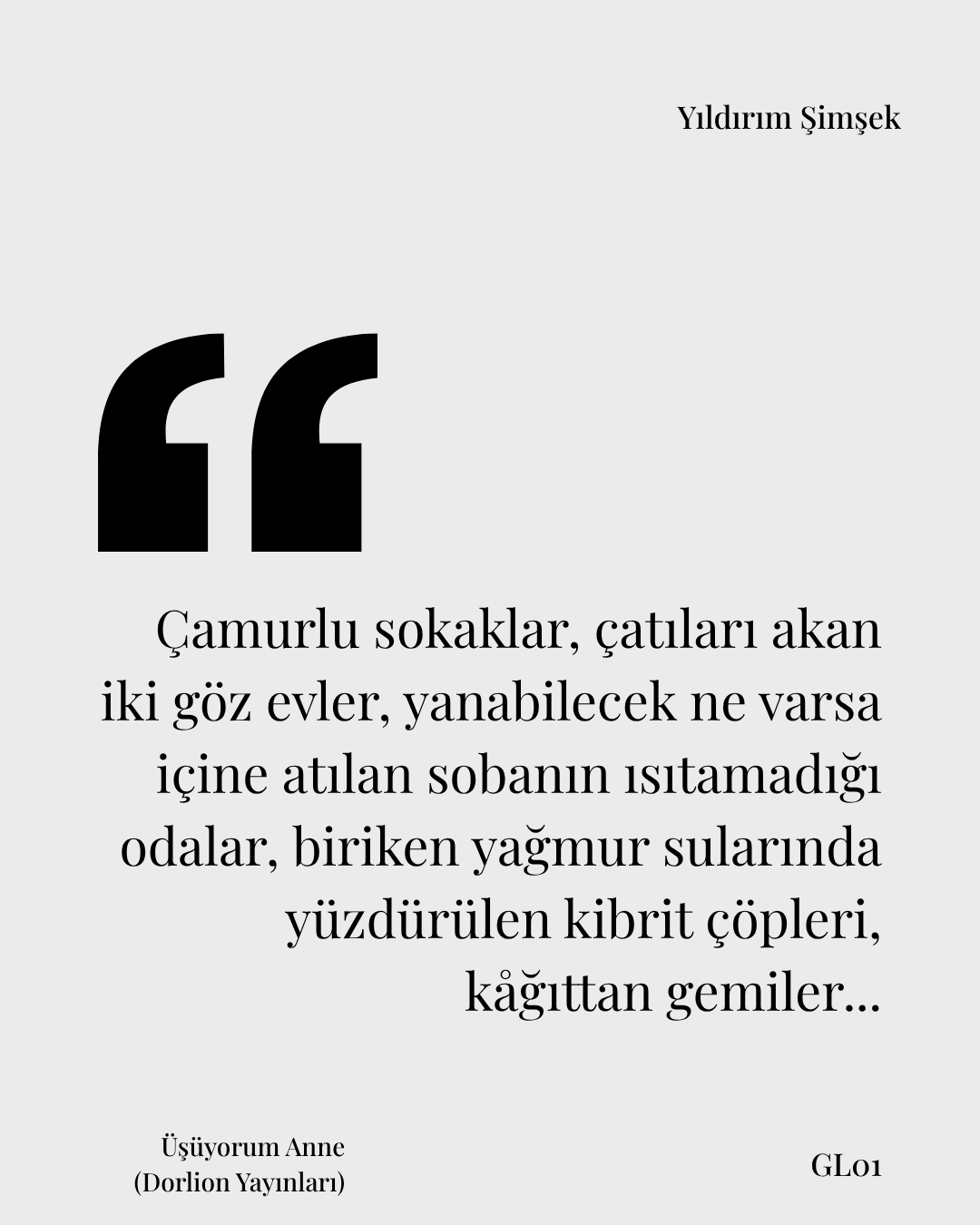
Today, Çalışkanlar Neighborhood no longer exists; in its place rise mass housing blocks. The only thing that has not changed is the cemetery… Yet in my inner world, the neighborhood still lives on. In my dreams, I return to those streets and feel again the joy and happiness that defined those days. In reality, it was an extremely poor neighborhood. But we were not aware of that poverty; we thought everyone lived the same way. It did not feel like a lack, but rather the natural state of life.
At the same time, it was the turbulent years before the 1980 military coup. The political conflicts of the 1970s had reached our neighborhood as well. There were people shot before our eyes; there were losses. Yet despite all that darkness, there was always resistance and endurance in the neighborhood—a struggle of people who tried to stand upright through laughter, work, and togetherness against poverty.
Years later, when I looked back, I realized there were countless characters, stories, and emotions waiting to be told. That is why I began writing “Çinçin Stage” — to rebuild that world and make those people and experiences visible. Because even if some neighborhoods are destroyed, their memory continues to live through writing.
Is longing a blurred image of the past, or the name of something missing in the present?
As time passes, those images gradually fade. The details blur, some faces disappear from memory. But the emotions built with those people never vanish. This is true not only for me but for all who lived there. Because what was shared was not just a place — it was neighborliness, solidarity, and a way of existing together. That is why those feelings are unforgettable.
When I first left Çinçin and moved to a residential complex in Batıkent, I would instinctively go outside. I would step into the garden and look around, hoping to see someone. Because for us, life did not flow inside the house but on the street. There was always someone: we talked, played, had matches, went to the cemetery, picked fruit from trees. I lived this way almost until my thirties. But in my new place, I gradually understood that this was no longer possible. This realization slowly led to a more inward life.
This was not unique to me; it was true for my friends as well. That is the nature of apartment living: closed doors, limited relationships, distant neighborliness. Over time, we adapted and went out less. Theater became my escape; I spent most of my time on stage. Yet nothing replaced the spontaneous encounters, long conversations starting with a greeting, or unplanned gatherings.
Even today, I carry the trace of that feeling. When I go outside, for a moment I imagine everything returning to how it was — crowds gathering again, going on picnics together, traveling to Kızılay and Ulus, discovering new places. It is an exciting feeling that keeps a person alive. To walk together, argue, fight, reconcile — building life together… These were essential for us.
I don’t know how much I have been able to convey these feelings, but in “Çinçin Stage” I tried to reflect all the warmth and sincerity of that world.
Today, those days feel almost like a dream. Still, I consider it a privilege to have lived there. Because what is missing now is clearer: the feeling of safety, belonging to a community, friendships you can trust unconditionally… I have met many people in my life, formed many friendships, but nothing has replaced those childhood bonds. Because those people did not enter our lives later; they grew with us, existed with us.
Today I am 57 years old; I have been involved in theater for more than forty years. Yet I have never found the exact equivalent of that feeling again. Perhaps it cannot be found. Because what disappeared was not just a place, but a culture and a way of life. Along with the neighborhood culture, the spontaneous nature of joy, trust, and true friendship has largely been lost.
Before the neighborhood was demolished, I used to visit from time to time, finding consolation in seeing the houses even in their ruined state. At least there was something tangible left. Now only a few streets, the cemetery wall, and some trees remain — and even they are not enough to rebuild that feeling. Longing turns into an emotion without a response.
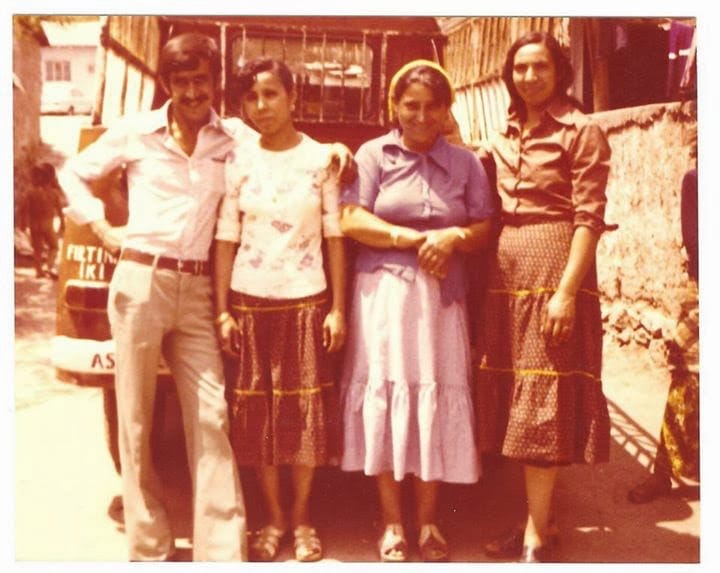
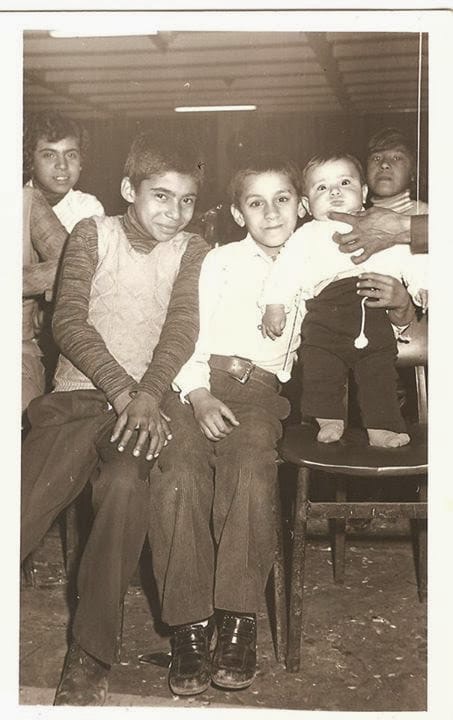
In the end, that neighborhood no longer exists physically, yet it has not completely disappeared. It continues to live in our memories, dreams, and old photographs — as a happy and valuable period of time. Today I understand better that what shaped and prepared us for life were those places and those people. The uncles, aunts, and neighbors… They gave us not just an environment, but a sense of security.
Perhaps longing is exactly this:
Not the loss of a place, but the absence of a feeling that can no longer be rebuilt.
Are your writings a voice crying out from within the spirit of that neighborhood, poverty, and struggle — or the echo of a child still left there?
What I write is a reflection of the emotions I formed when I later realized the spirit of that time and understood how unique our way of life actually was. Many things that seemed ordinary to us then were, in fact, part of a distinctive life. Not every squatter neighborhood experienced the same, of course; yet most of the stories and characters in “Çinçin Stage” are drawn directly from lived experiences. Before writing, I used to tell these stories to friends, and they would say they were not ordinary. But to me, they always felt natural — I thought everyone lived that way.
Over time, I realized that this spirit might belong specifically to Çalışkanlar Neighborhood. The presence of people who did not lose their joy, resilience, and solidarity even in poverty deeply affected me. Perhaps similar lives existed elsewhere, but my testimony belonged here. That is why I felt the need to tell that spirit and those people. I believed these stories needed to be written down, gathered in a book. I did not see myself as a writer, but the insistence of people around me pushed me into this process. Eventually, I thought: If these stories are to be told, I can tell them most authentically as someone who lived them. And so I began to put the emotions and characters in my mind into words.
For this reason, what I write is not the trace of a childhood left behind; it is the expression of a spirit that still lives within me.
What do photographs tell you, and what does writing make speak?
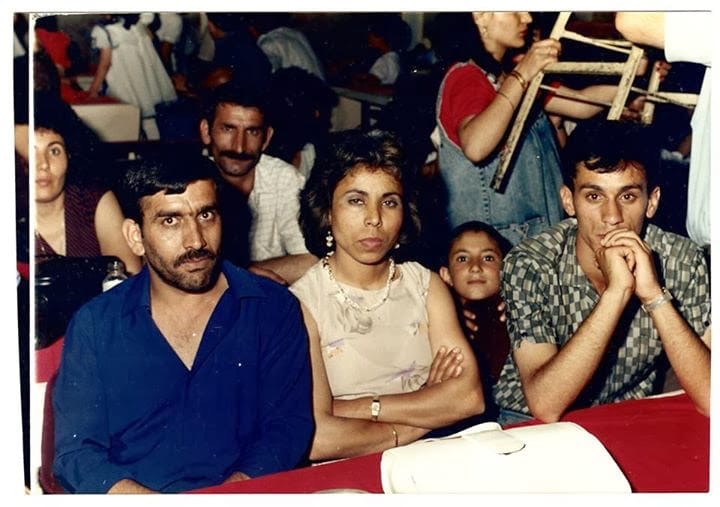
For me, a photograph is not just a frozen moment; it is the revival of the past. It carries not only the people in the frame but also the spirit, atmosphere, and emotions of that time. Sometimes one may become a stranger to their own old photograph, unable to recognize their face — but never the feeling within it. Because a photograph holds far more than what is seen.
In our time, photographs were few, so each one was more precious. A photo from a football match reminds me not only of the game but of the determination within it. We had no proper uniforms; our mothers dyed undershirts and we attached numbers made of leather. Out of scarcity, we created struggle — and we won tournaments. That photo reminds me not just of a game, but of a spirit that believed we had to win.
Writing, on the other hand, is an attempt to give voice to all of this. Yet the emotion a photograph carries cannot always be fully translated into words. Writing circles around that feeling; it rarely reaches its center.
Still, writing is an effort to hold onto a fading world. What photography tells silently, writing tries to articulate.
One reminds; the other tries to explain.
How did the idea for “Üşüyorum Anne” emerge?
Before “Üşüyorum Anne,” the process of writing “Çinçin Stage” began without a clear intention to write. I had tried before but was not satisfied. The turning point came when a friend asked me for a story set in Ankara. Instead of writing, I sent a voice recording describing memories of Çinçin. He insisted that I must write it.
Another friend encouraged me to turn these stories into films — but first, to write them. The decisive moment came when I encountered a book titled “First My Father, Then Çinçin Died.” It deeply affected me. I thought: If someone else can write our story, why shouldn’t I?
That realization led me to write. Over time, I discovered I had a great deal to tell. After many rewrites, “Çinçin Stage” emerged.
“Üşüyorum Anne” was born from a different place. A friend I met during military service whispered, while pouring hot water over his head in a bathhouse: “I’m cold, mother.” That sentence became the starting point. His story—poverty, unemployment, harsh realities — deeply affected me. It needed to be written.
That story was not just one person’s; it was the shared story of many children growing up unseen, forced to work, cut off from education.
Thus, “Üşüyorum Anne” became the voice of a generation.
Both books stem from the same source:
One is the memory of a neighborhood and childhood; the other is the confrontation of that memory with today’s harsh reality.